
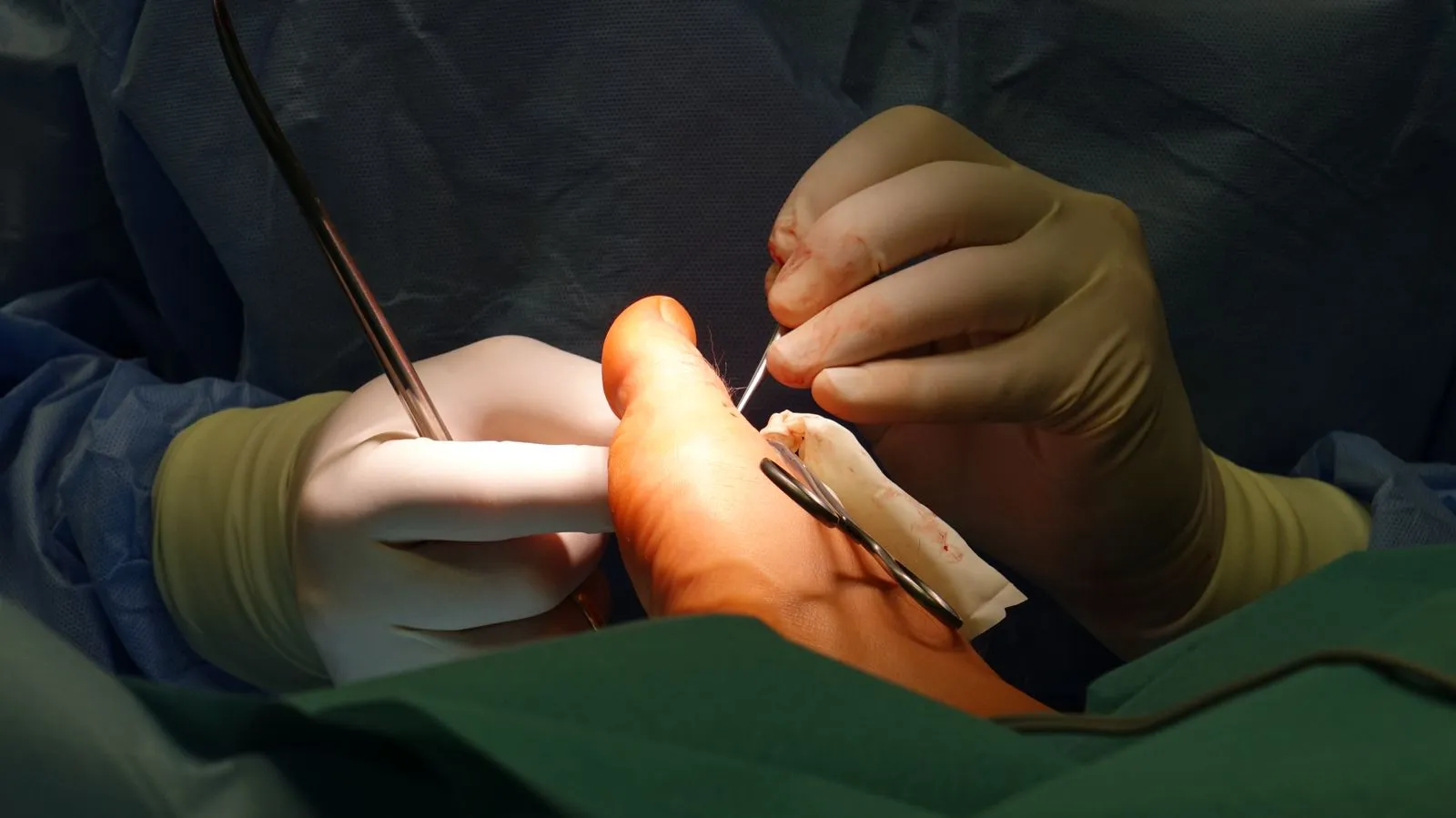
A bunion evaluation helps a podiatrist understand what is causing your discomfort and how the bump affects your foot. The visit typically includes a conversation about your symptoms, an examination of your foot and how it moves, and a discussion of care options. Knowing what to expect can make it easier to prepare questions and share details that help guide a plan suited to your needs.
Discussing Your Symptoms
Your podiatrist will ask when you first noticed the bunion, where you feel discomfort, and what makes it better or worse. Be ready to describe whether pain occurs while walking, wearing certain shoes, or standing for long periods. Mention any swelling, redness, stiffness, numbness, or changes in your activity.
Share what you have already tried, such as wider shoes, padding, or changes to your routine, and whether those measures helped. Bring a list of medications and relevant health conditions. If symptoms come and go, noting when they appear can help your podiatrist understand how the issue affects daily life.
Examining Foot Structure
The podiatrist will look at the position of your big toe and the shape of the joint, often while you are standing and sitting. They may check for tenderness, swelling, skin irritation, and areas where shoes create pressure. The examination may also include your other toes and the overall alignment of the foot.
You may be asked to walk or move your big toe. These checks help the podiatrist assess motion, balance, and how your foot functions under everyday conditions. Depending on your symptoms and exam, the podiatrist may recommend X-rays to evaluate bone alignment and joint changes; imaging is not necessary for every visit.
Reviewing Care Options
Care depends on your symptoms, activity needs, and examination findings. Options may include choosing shoes with a wider toe box, using protective padding, adjusting activities that aggravate the joint, or trying other conservative measures recommended by your podiatrist. These steps can reduce pressure and discomfort, though they do not necessarily change the bunion’s structure.
If pain continues to limit your activities despite appropriate nonsurgical care, your podiatrist may discuss whether surgery is worth considering. That conversation should cover potential benefits, risks, recovery demands, and alternatives. A bunion evaluation does not automatically mean you need surgery; it helps you make an informed decision based on your particular situation.
Preparing for Your Visit
Wear shoes you use often so the podiatrist can see where they press on your foot. Bring any orthotics or padding you currently use, along with relevant imaging or medical records if they are available. Choose comfortable clothing that allows the podiatrist to examine your feet and observe your walking if needed.
Write down your main concerns and questions before the appointment. You might ask what could be contributing to your symptoms, which care options fit your routine, and what changes should prompt a follow-up. Clear questions and specific examples help make the visit focused and useful.
A bunion evaluation combines your experience with a close look at foot structure and function. Sharing specific symptoms and asking about practical options can help you understand the next steps. If a bunion is affecting your comfort or activities, consider scheduling an appointment with a podiatrist to discuss an evaluation.